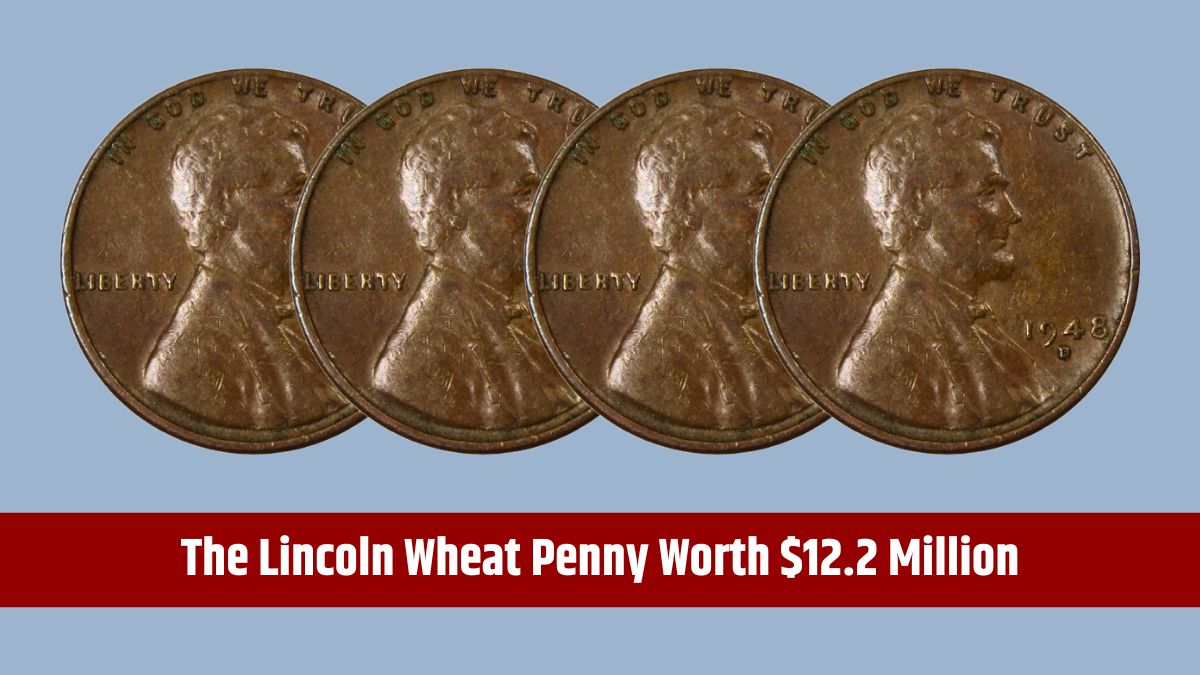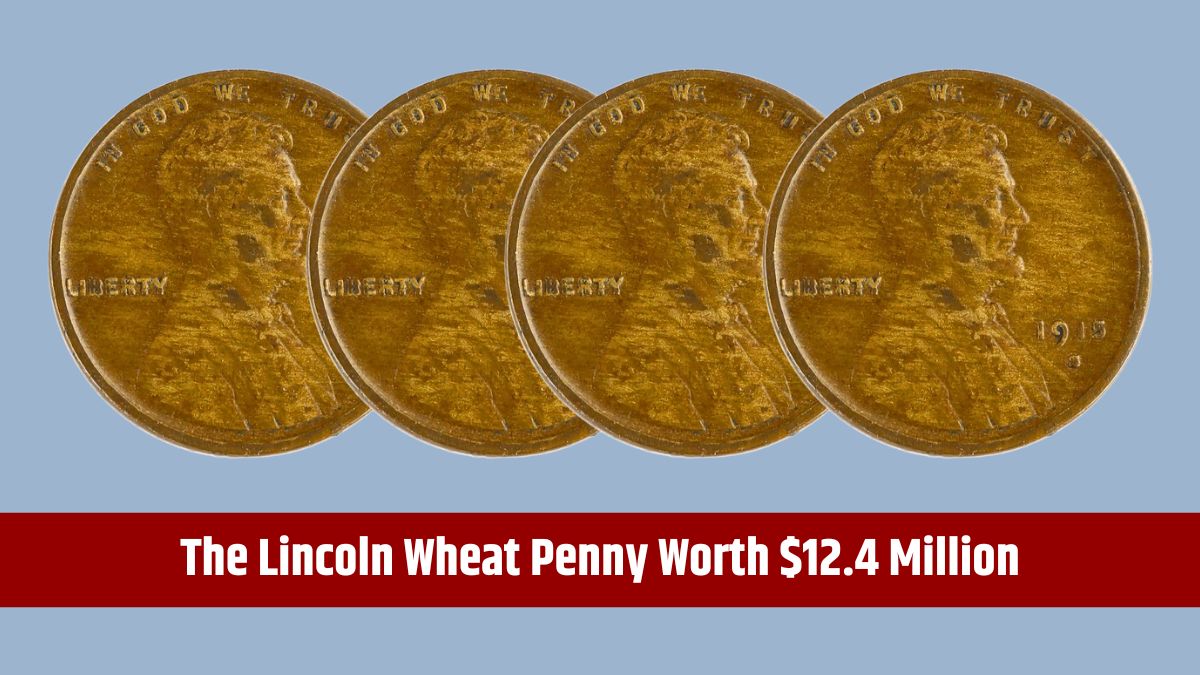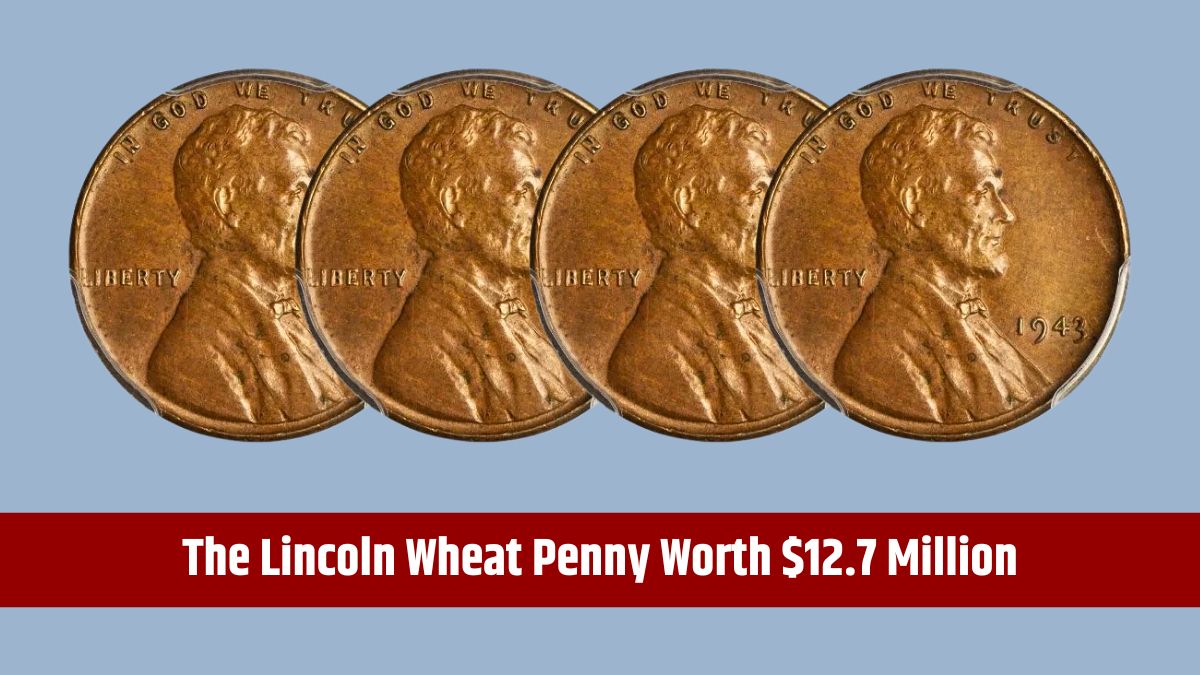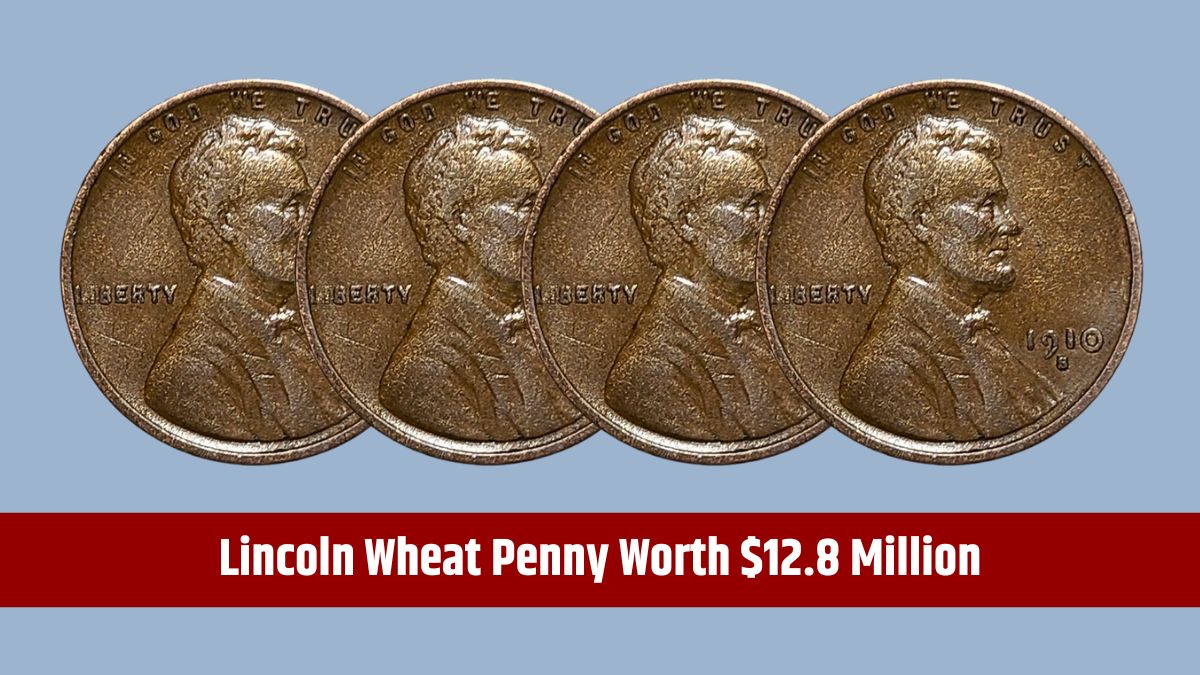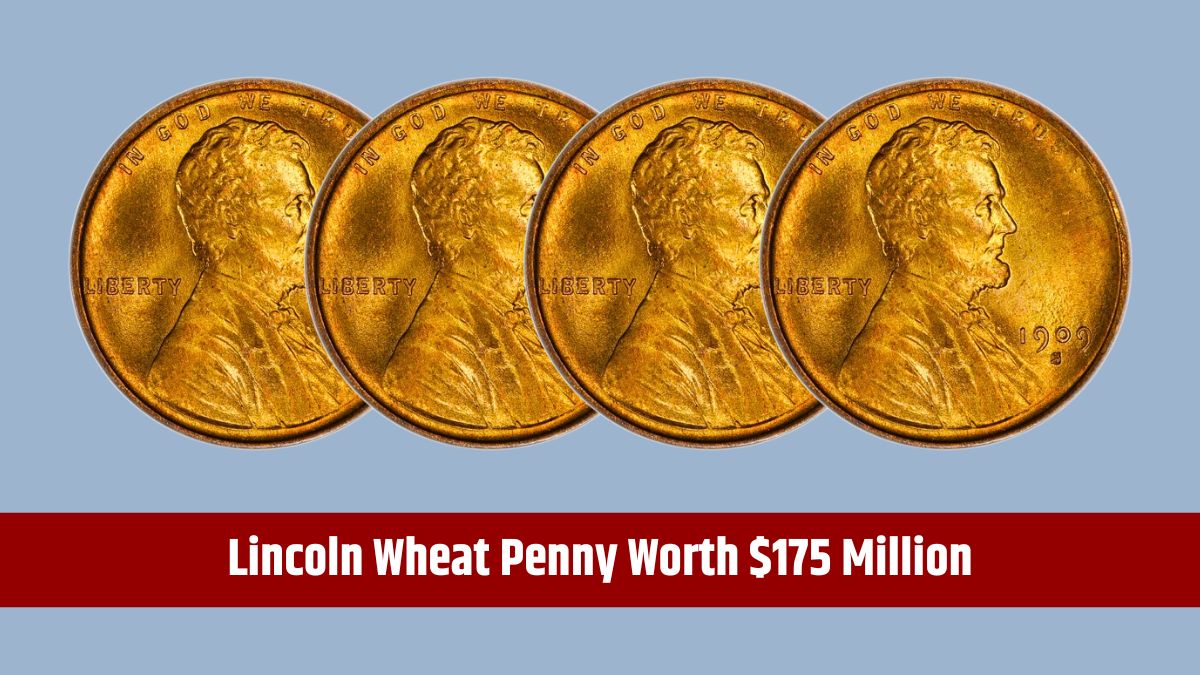
Ever think a simple penny could change your life? It might sound crazy, but some pocket change could be worth a small fortune. One version of the Lincoln Wheat Penny, once just a regular coin in everyday use, is now valued at an eye-watering $175 million. But even if you don’t strike that specific jackpot, you might still have a valuable Wheat Penny lying around. Let’s break down why this coin is worth so much—and how to spot a winner in your own stash.
Origins
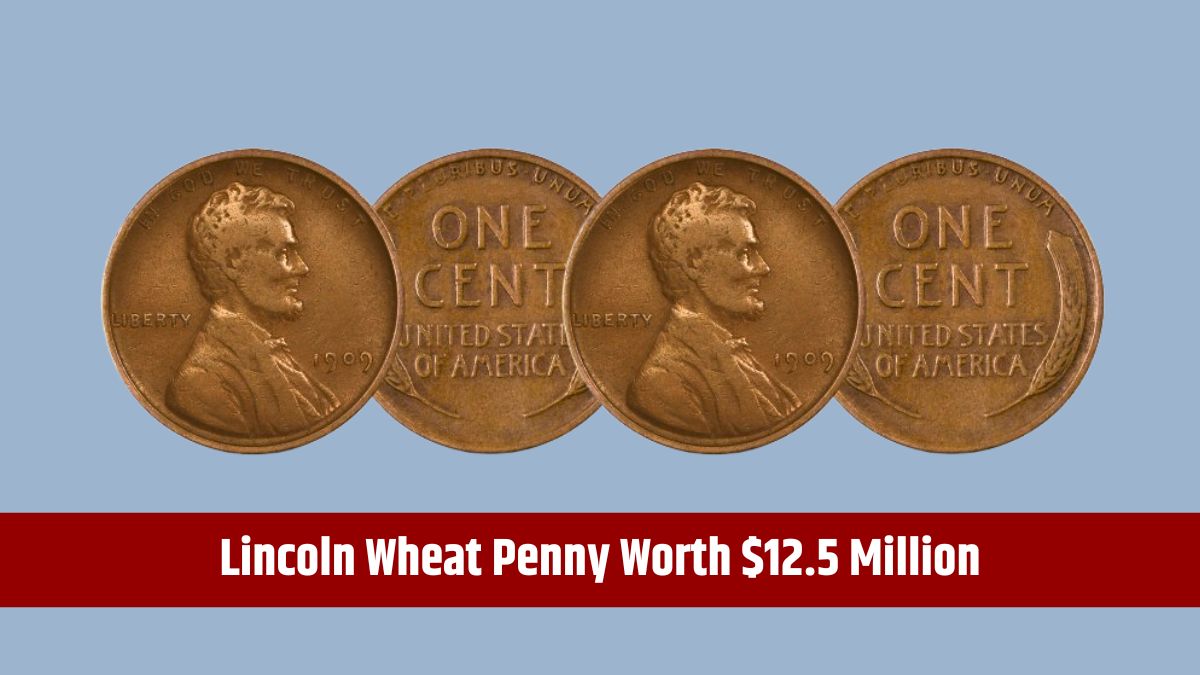
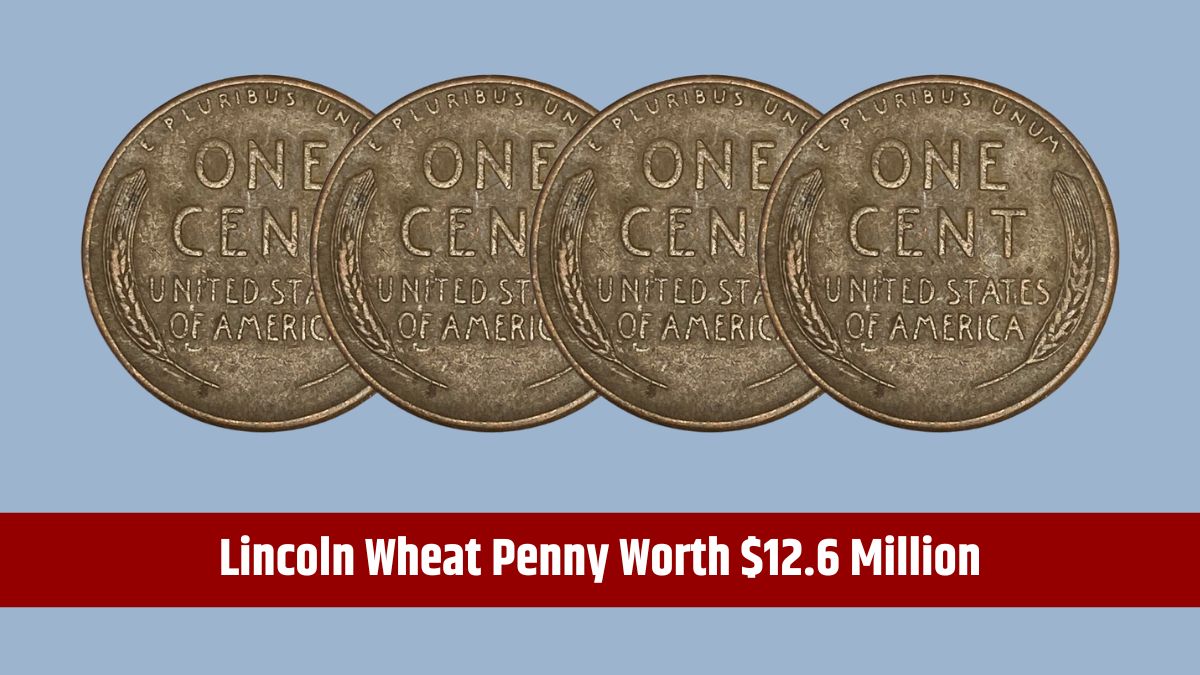
The Lincoln Wheat Penny—also known as the Wheat Cent—was first minted in 1909. It marked the 100th anniversary of President Abraham Lincoln’s birth. On one side, you’ve got Lincoln’s profile. On the other? Two wheat stalks. This classic design was used until 1958, before the Lincoln Memorial design took over.
Even though the U.S. Mint made millions of these, only a handful became ultra-valuable collectibles. And one particular penny has skyrocketed to a jaw-dropping $175 million valuation.
Rarity
So, what makes that one Lincoln Wheat Penny worth more than a mansion—or ten? Several key factors combine to give it such astronomical value.
First off, it likely features a rare minting error or a unique metal composition. Take the 1943 copper penny, for example. That year, due to wartime metal shortages, pennies were mostly made from steel. But a few copper versions slipped through. Those accidents turned into goldmines—figuratively, of course.
Then there’s historical significance. Coins minted during important periods in American history tend to attract collectors. If this $175 million penny came out during a critical time—like a war or economic crisis—that could add serious value.
Next up is condition. This penny is said to be in mint state, or MS grade. That means it looks like it was never used—no scratches, no fading, no dings. The better the condition, the higher the price tag.
Lastly, extreme rarity plays a huge role. This coin might be one-of-a-kind, or from a super limited batch, making it highly desirable to elite collectors with deep pockets.
Clues
So, how can you tell if your old penny might be special? Here are a few things to check:
Year
Look at the mint year. Some years are known to produce valuable Wheat Pennies:
| Year | Reason for Value |
|---|---|
| 1909-S VDB | First run with designer’s initials |
| 1914-D | Rare Denver mint edition |
| 1943 | If copper, not steel—super rare |
Errors
Minting errors are like the typos of coin world—but instead of getting corrected, they can be worth thousands. Keep an eye out for:
- Double-die strikes (letters or numbers appear doubled)
- Off-center images
- Pennies made of the wrong metal (like a copper 1943 penny)
Mint Mark
Flip the penny and check under the date. You’ll see either:
- S = San Francisco
- D = Denver
- No letter = Philadelphia
The 1909-S and 1914-D coins are especially sought-after due to their limited mintage.
Condition
This one’s simple: the shinier and less worn, the better. Coins in mint state (MS) are way more valuable than ones that look like they’ve been through a washing machine.
Finds
Still think this is all collector fantasy? Think again. There are several real-life examples of valuable Wheat Pennies changing hands for insane amounts:
| Penny Type | Estimated Value |
|---|---|
| 1943 Copper Penny | Over $1 million |
| 1909-S VDB Penny | $100,000+ |
| 1955 Double-Die | Several thousand |
Chances
You might be surprised—these rare coins sometimes show up in the most unexpected places. People have found valuable Wheat Pennies in coin jars, old desk drawers, and even flea markets. So, it’s definitely worth taking a second look at that forgotten pile of pennies. Who knows what might be sitting right under your nose?
The $175 million Lincoln Wheat Penny is a collector’s dream. While finding that exact one may be like winning the lottery, plenty of other Wheat Pennies are still out there, just waiting to be known. If you’ve got old coins tucked away somewhere, now’s the perfect time to dig them up. That little copper coin could be your lucky break.
FAQs
What is a Wheat Penny?
A U.S. penny minted from 1909 to 1958 with wheat stalks on the back.
Why is the 1943 penny rare?
Most were steel, but a few copper ones were made by mistake.
What does VDB mean on a penny?
It stands for Victor David Brenner, the coin’s designer.
Where is the mint mark on a penny?
Below the date on the front of the coin.
Can I still find valuable pennies today?
Yes, in old jars, collections, or even circulation.