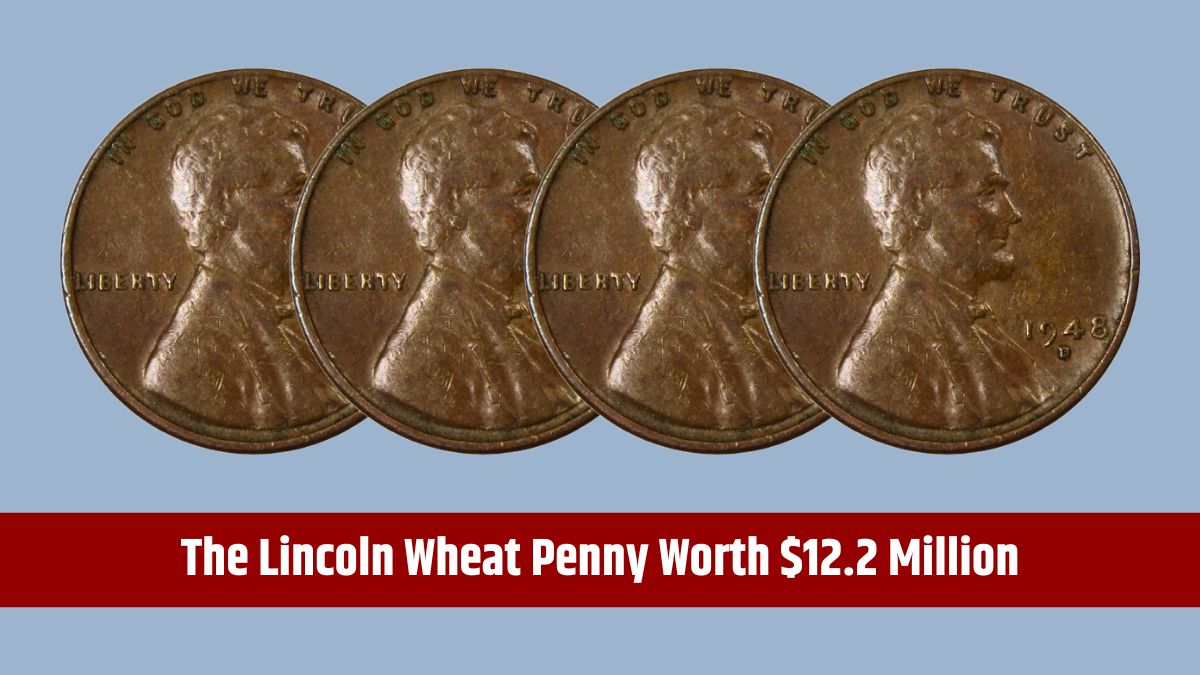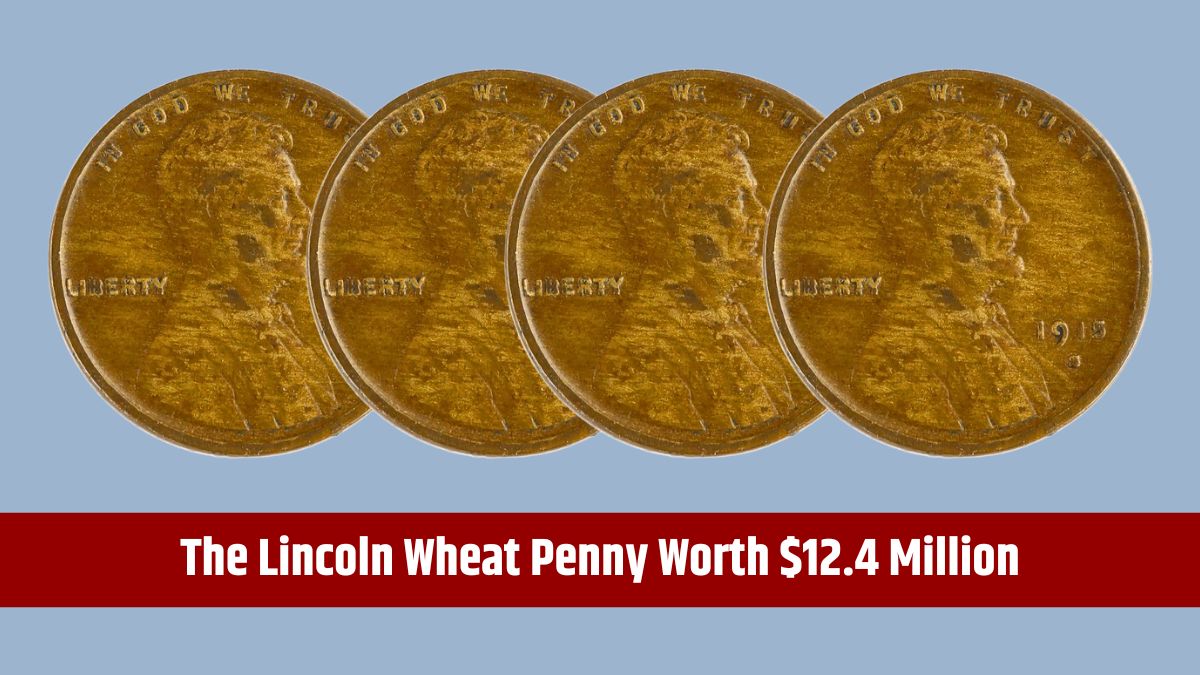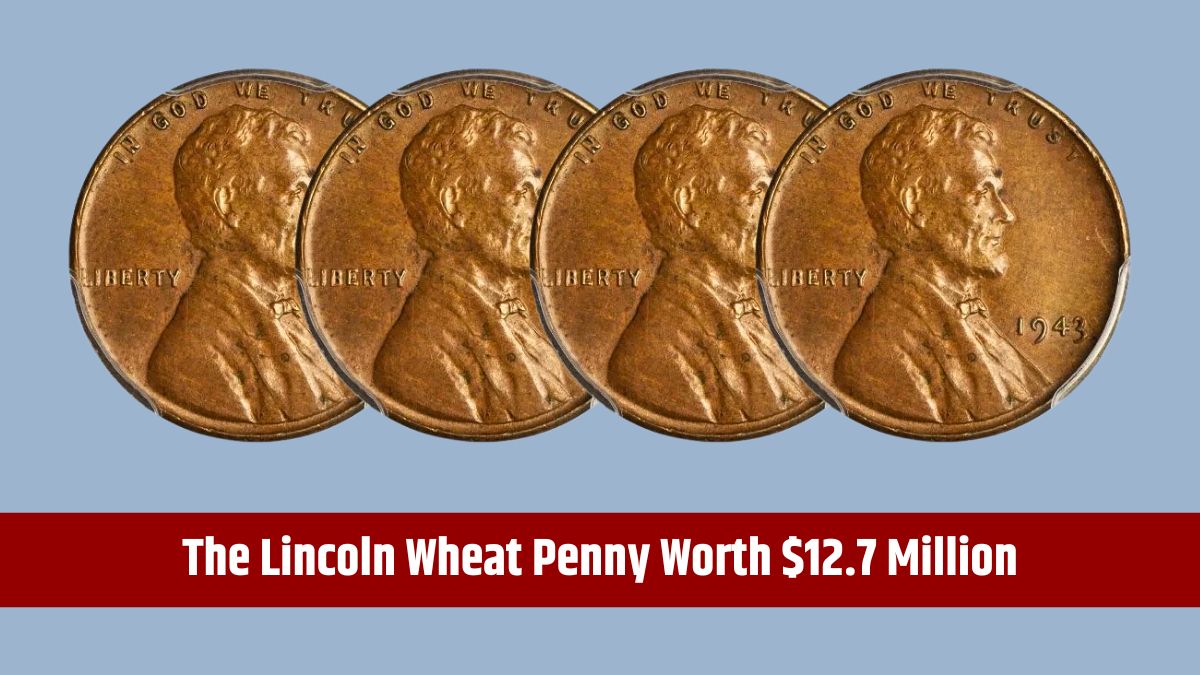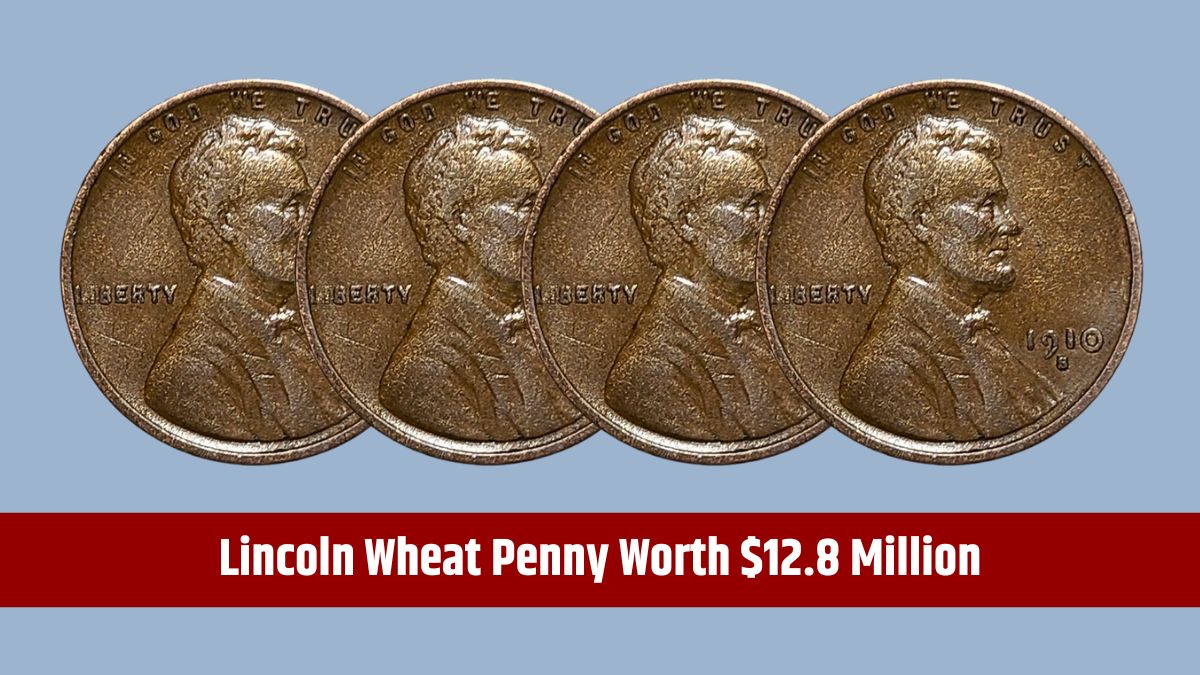
That penny in your pocket might be worth more than just spare change. Believe it or not, one version of the Lincoln Wheat Penny has been valued at an eye-popping $135 million. Sounds wild, right? But there’s solid reasoning behind it—rarity, historical context, and unique minting quirks all play a role. Let’s unpack why some of these old-school pennies are worth a fortune, and how you can tell if your own coin stash includes a hidden gem.
Table of Contents
History
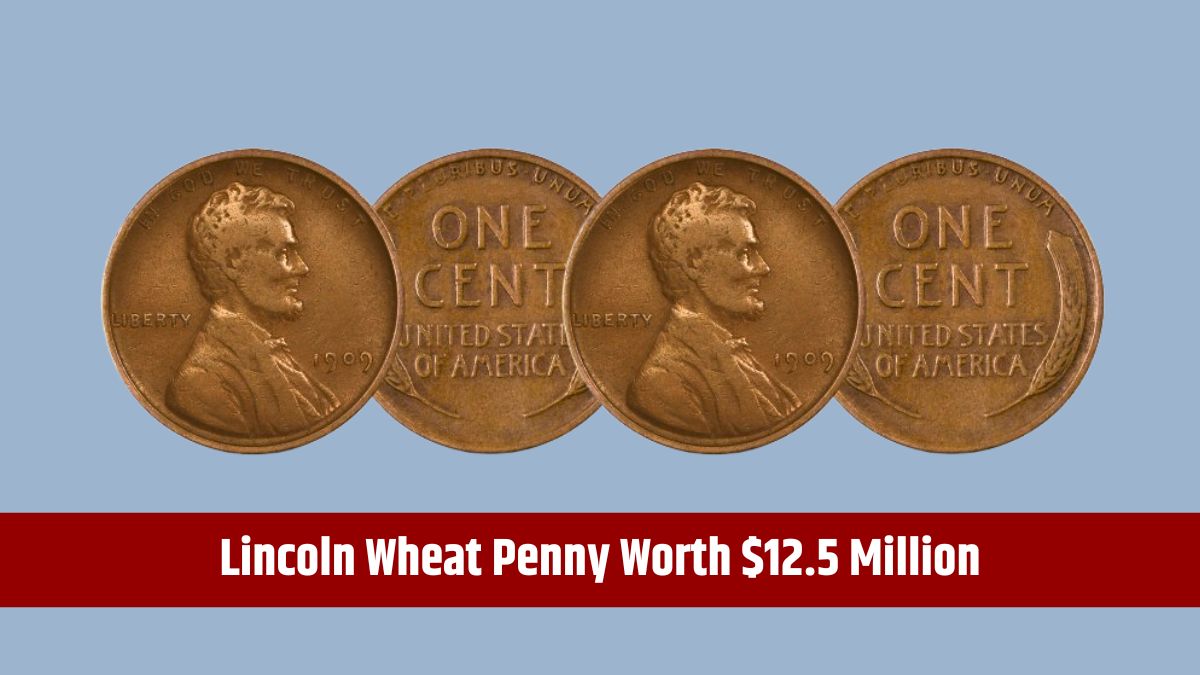
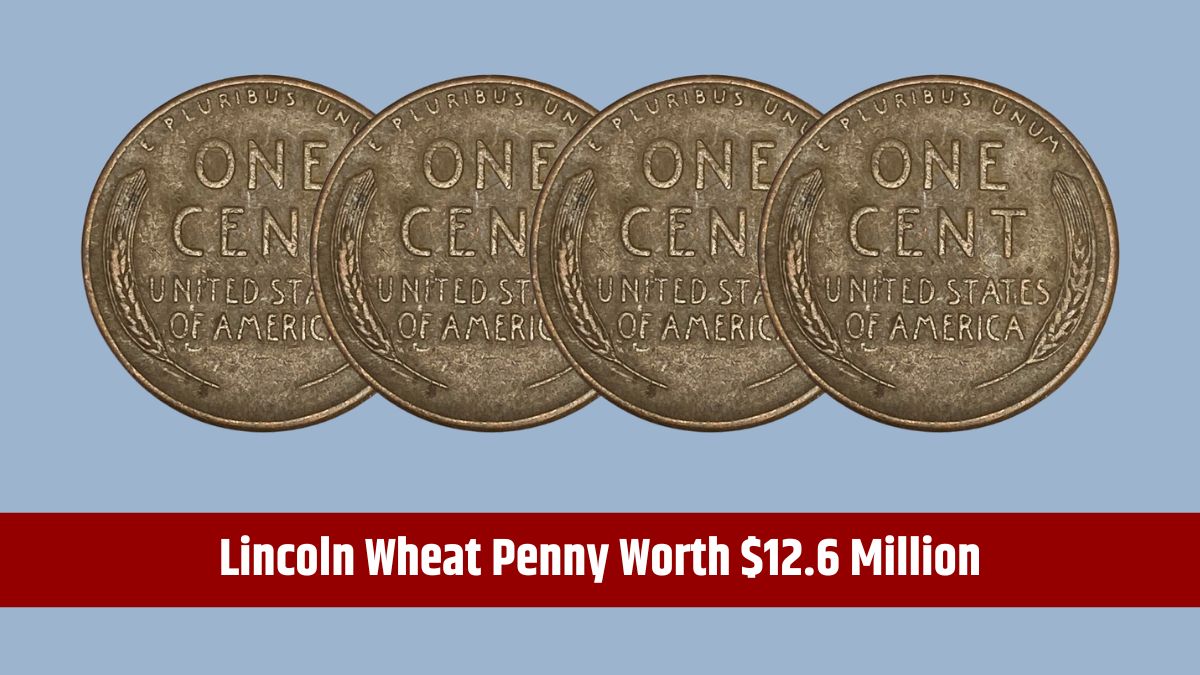
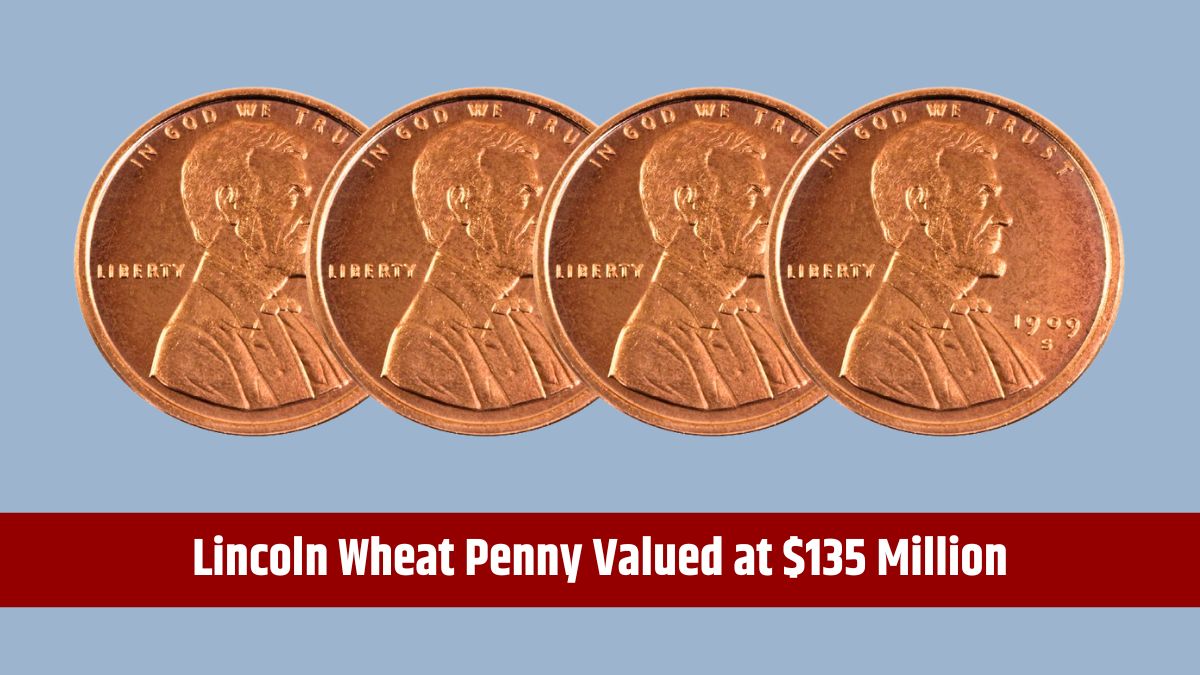
The Lincoln Wheat Penny, also known as the Wheat Cent, was first minted in 1909. It was created to celebrate President Abraham Lincoln’s 100th birthday and became the first U.S. coin to feature a real person. On the front is Lincoln’s portrait, and on the back, two wheat stalks frame the words “One Cent.” These coins were produced until 1958, before the U.S. Mint switched to the Lincoln Memorial design.
While most of these pennies are just nostalgic keepsakes, a few have turned into treasures thanks to their rare features and historical significance.
Value
So why is one Lincoln Wheat Penny reportedly worth $135 million? That’s not just hype. It comes down to a few key factors:
Rarity
This particular penny is incredibly rare—possibly even one-of-a-kind. When demand far outweighs supply, prices skyrocket. That’s just basic economics. Combine that with a little coin-collector frenzy, and the numbers get crazy.
Minting
One major reason this penny is so valuable is due to a minting error or unusual composition. For example, during World War II, copper was needed for war efforts, so pennies in 1943 were made of steel. A few copper pennies were mistakenly minted that year, and they’re now considered some of the rarest coins in U.S. history.
Condition
Coin condition matters. A coin in mint state—meaning it looks as good as the day it was made—is far more valuable than a worn-out version. The $135 million penny? It’s likely in flawless condition, which boosts its appeal for collectors.
History
The time period in which a coin was minted can also influence value. Coins from years tied to major historical events—like wars or economic shifts—tend to gain collector interest. This penny may have been struck during a significant moment in history, adding layers to its story and value.
Clues
Want to check your change for valuable Wheat Pennies? Here’s what to look for:
Dates
Some years are worth much more than others. Key dates include:
| Year | Mint Mark | Reason for Value |
|---|---|---|
| 1909-S VDB | S | Very limited production, includes designer’s initials |
| 1914-D | D | Rare Denver minting |
| 1943 | None/D/S | Copper version is extremely rare |
Errors
Look closely for mint errors. Double-die strikes, off-center designs, or the wrong metal can all increase a penny’s worth. A simple magnifying glass can reveal surprising details.
Mint Marks
Check under the date. The small letter indicates where the penny was minted:
- S = San Francisco
- D = Denver
- No letter = Philadelphia
Some of the rarest coins came from San Francisco or Denver with limited mintage.
Condition
Even if you have a rare date, condition is key. Mint state (MS) coins can be worth thousands more than circulated ones. Keep your eyes peeled for coins with sharp edges, clear lettering, and no major scratches.
Circulation
You might be surprised, but rare Wheat Pennies do still turn up in circulation. People often overlook old pennies, assuming they’re worthless. But those jars in the attic or coins from a grandparent’s collection could be hiding a fortune.
Examples
Still not convinced it’s worth checking your change? Here are a few famous examples:
| Coin | Estimated Value | Why It’s Special |
|---|---|---|
| 1943 Copper Penny | $1,000,000+ | Mistakenly made in copper |
| 1909-S VDB Penny | $100,000+ | Rare, features initials VDB |
| 1955 Double-Die Penny | $1,500 – $50,000 | Obvious doubling of design elements |
These aren’t myths—they’ve sold at auctions, making headlines and turning everyday coins into collectibles worth serious cash.
So, could that penny in your piggy bank be worth millions? While the odds are slim, it’s not impossible. Whether it’s the ultra-rare $135 million penny or a valuable mint error from the 1940s, it’s worth a look. After all, treasure hunting doesn’t always mean digging—it might just mean checking your pocket change.
FAQs
What year is the $135 million penny?
The rarest Lincoln Wheat Penny is likely from 1943 or 1909.
How do I know if my penny is rare?
Look for key dates, mint marks, and minting errors.
What is a mint mark on a penny?
It’s a small letter under the date showing where it was minted.
Can I still find rare pennies today?
Yes, they sometimes appear in old jars or pocket change.
What’s the most valuable Wheat Penny?
The 1943 copper penny is valued over $1 million.