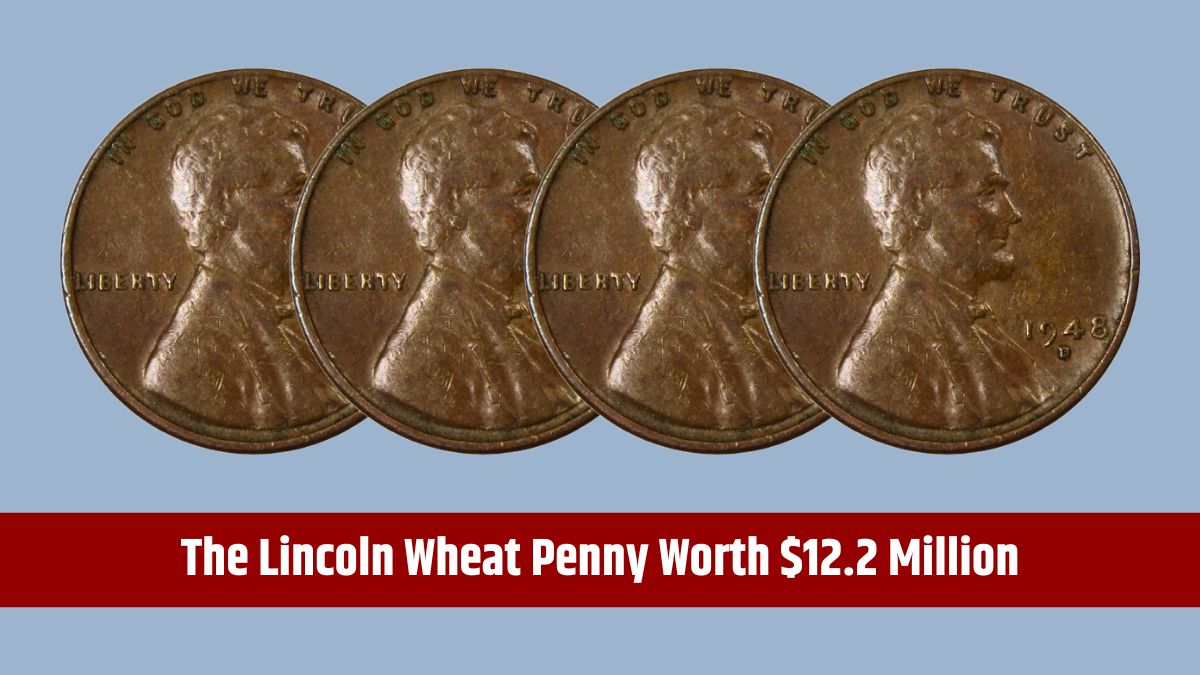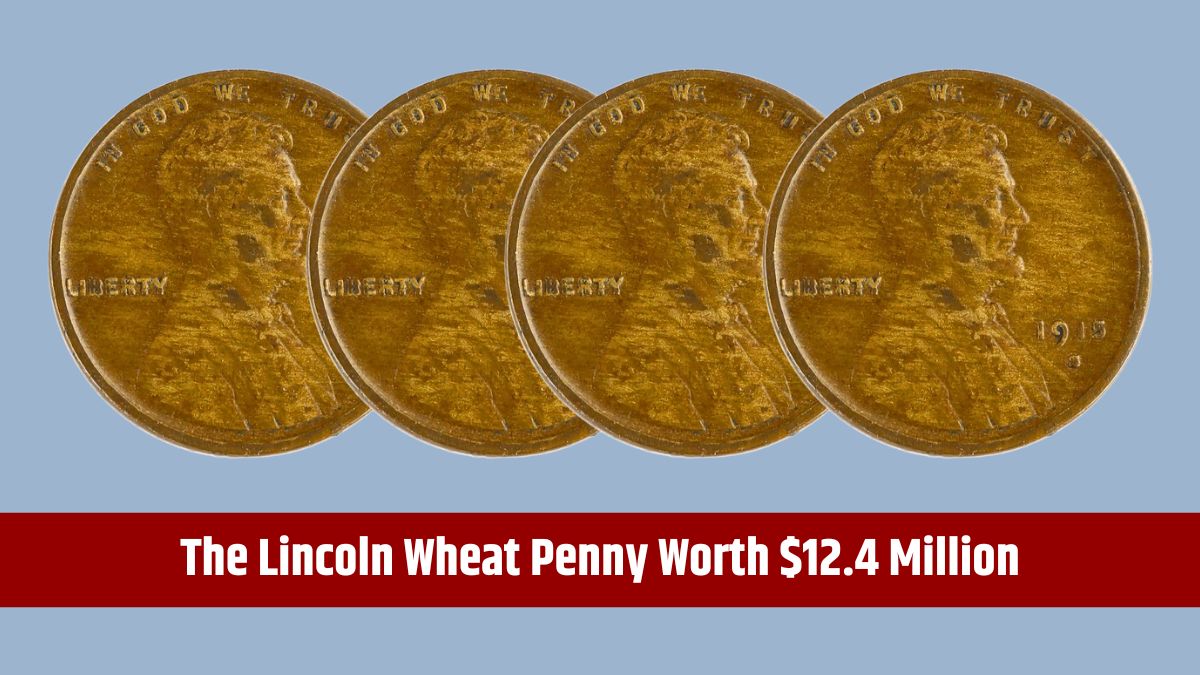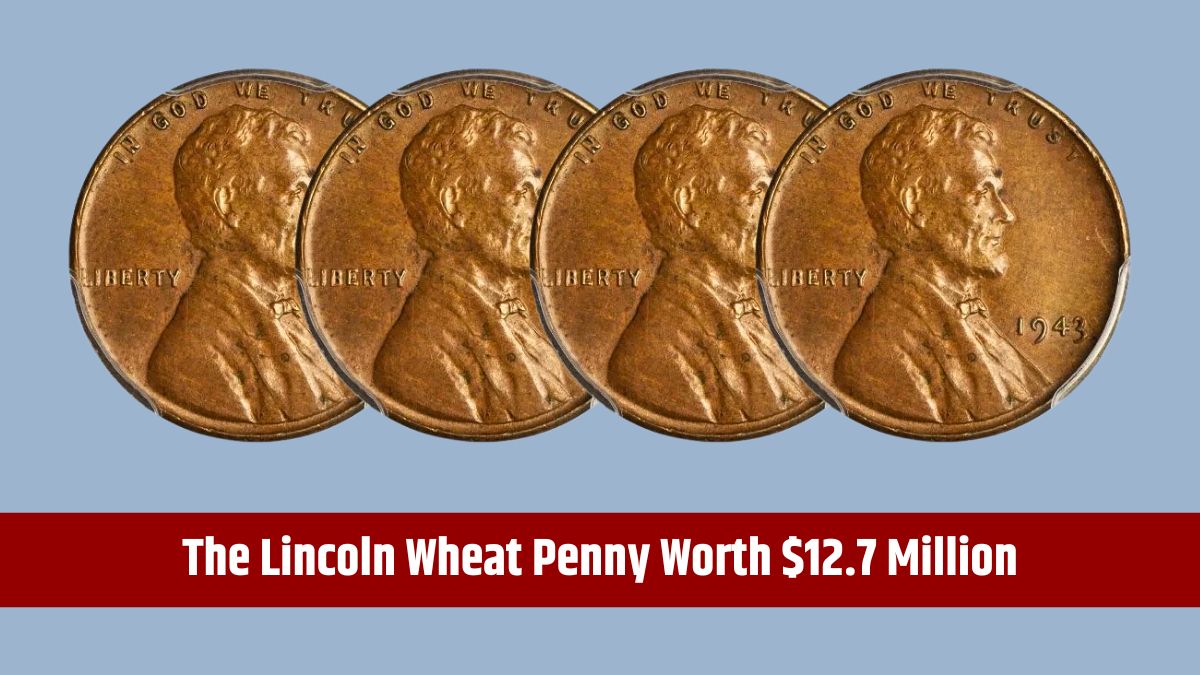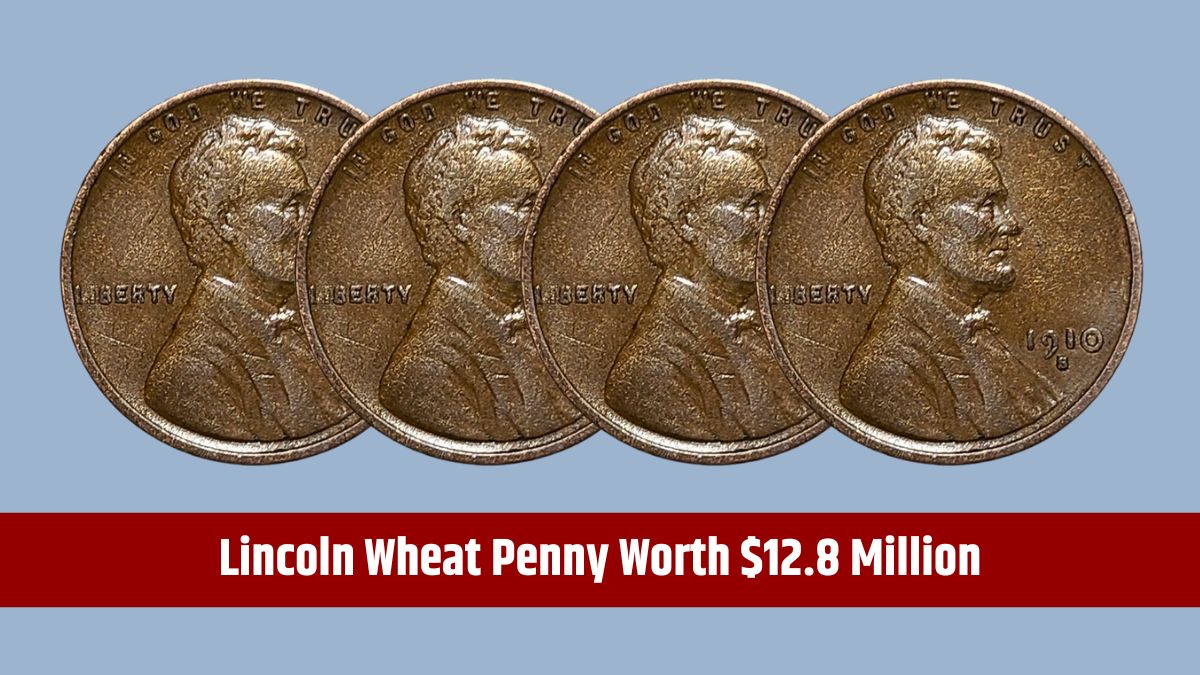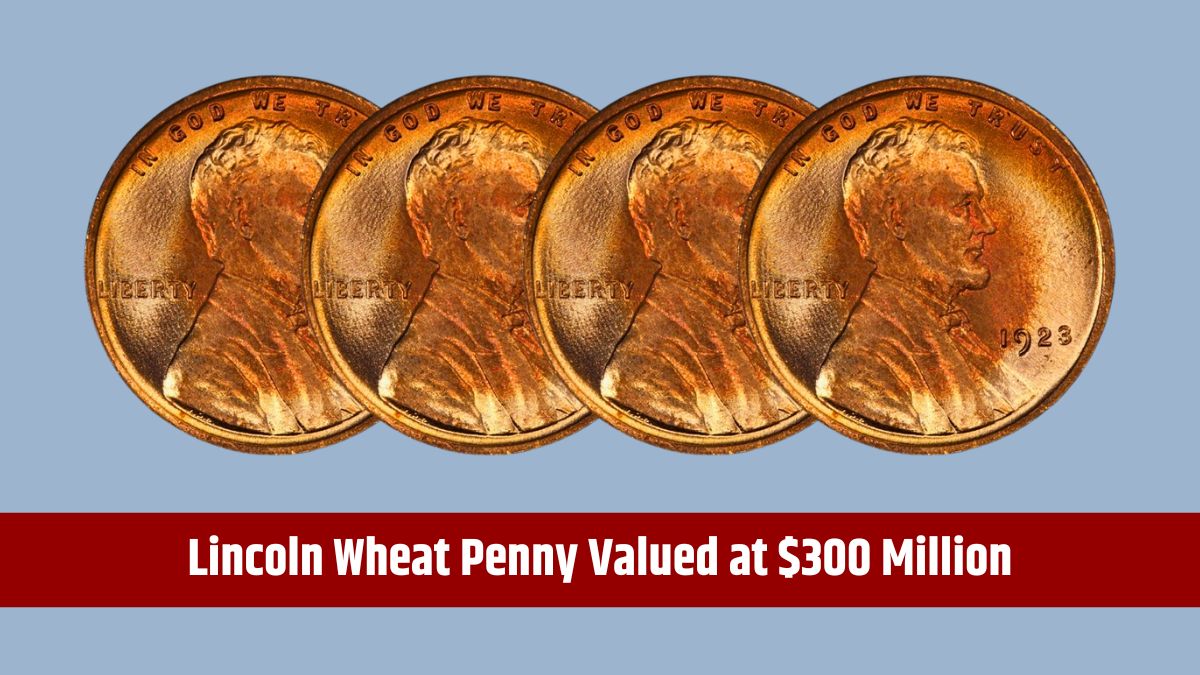
Imagine digging through your spare change and stumbling upon a penny that could change your life. Sounds crazy, right? But believe it or not, the Lincoln Wheat Penny—something most of us overlook—has turned into a treasure hunt for collectors. While many of these coins are common, a few rare versions have sold for hundreds of thousands, even millions. Rumors of a $300 million Lincoln Wheat Penny have been floating around, but is there any truth to it? Let’s cut in and separate fact from fiction.
Origins
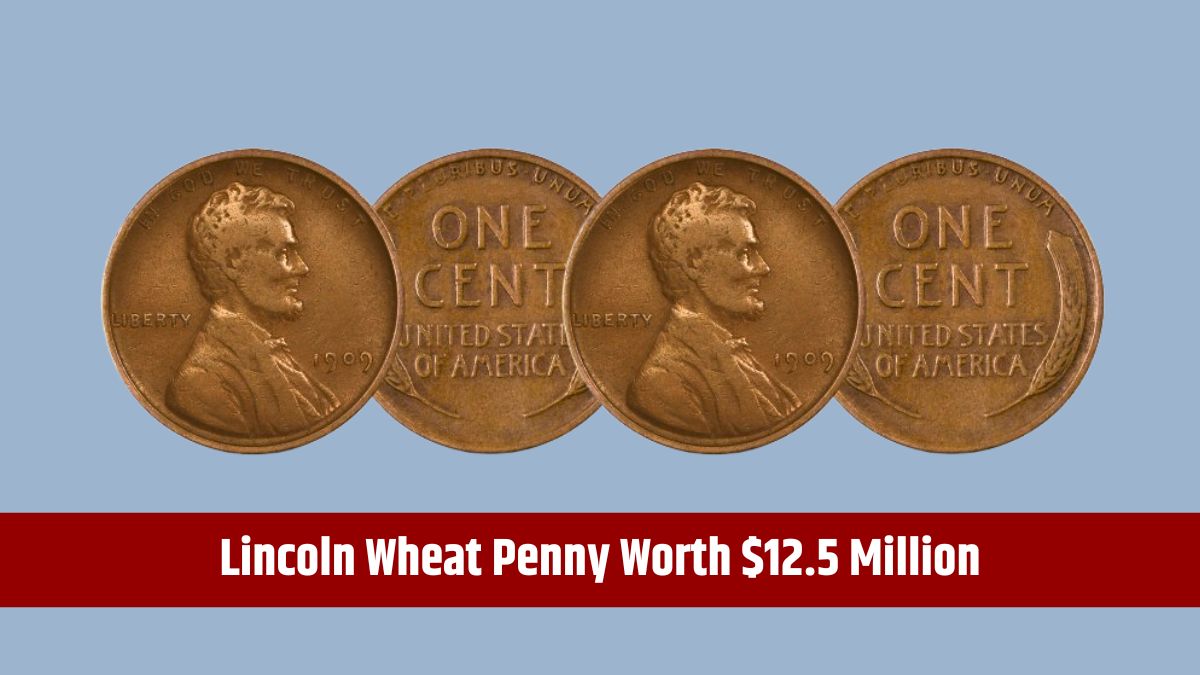
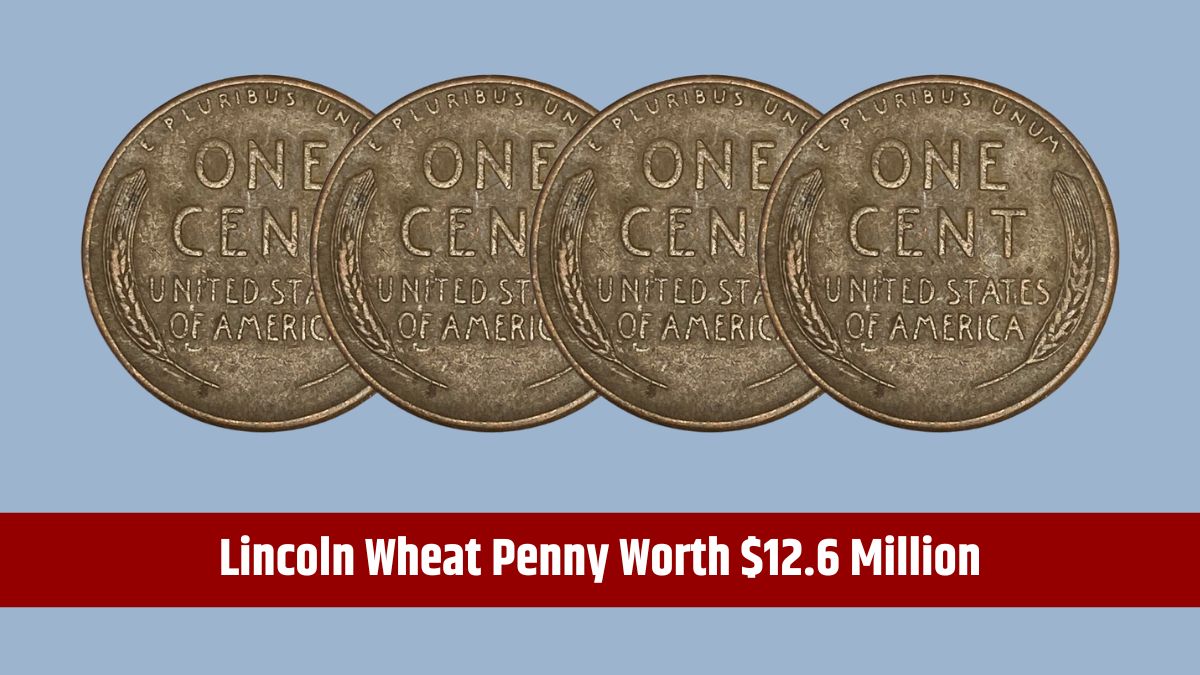
The Lincoln Wheat Penny made its first appearance in 1909, marking the 100th birthday of Abraham Lincoln. Designed by Victor David Brenner, it features Lincoln’s profile on the front and two wheat stalks on the back. This design lasted until 1958 before switching to the Lincoln Memorial version.
Most Wheat Pennies are only worth face value or a little more, but certain rare types—because of how they were minted or what materials were used—have become legends in the coin collecting world.
Rarity
So, why are some of these pennies worth so much? It comes down to a few key factors:
- Minting errors like double dies, off-center strikes, or wrong metal compositions make coins stand out.
- Low production numbers make a coin scarcer, and scarcity drives up demand.
- Historical importance, especially in wartime years, adds to a coin’s appeal.
- Metal composition can boost value—especially during years when the U.S. Mint used different materials due to metal shortages.
These traits can turn a one-cent coin into a collector’s jackpot.
Myth
Now about that $300 million penny—sounds wild, doesn’t it? But here’s the thing: there’s no solid proof that such a coin exists. It’s more of a numismatic urban legend. The most expensive Lincoln Wheat Penny ever officially sold was a 1943 Bronze version, which went for around $1.7 million at auction.
The idea of a $300 million penny probably comes from online exaggerations or misinterpretations. Still, just because that specific coin is a myth doesn’t mean valuable pennies aren’t out there.
Examples
Let’s take a look at some of the most valuable Lincoln Wheat Pennies that actually do exist:
| Year | Type | Est. Value | Reason for Value |
|---|---|---|---|
| 1943 | Bronze Wheat Penny | Up to $1.7M | Mint error during WW2 |
| 1909 | S VDB Lincoln Penny | Up to $100K | First issue, low mintage with initials |
| 1955 | Double Die Lincoln Penny | Up to $125K | Doubling error on date and lettering |
| 1944 | Steel Wheat Penny | Up to $100K | Wrong metal used post-WW2 |
Each of these coins is rare, and their values reflect their uniqueness and the demand from collectors.
Knowing
Could one of these rare coins still be floating around out there? Absolutely. Over the years, people have found valuable coins in coin jars, drawers, and even pocket change. That’s why collectors often advise checking old pennies carefully.
Here’s what to look for:
- Unusual dates like 1943, 1944, 1909, or 1955
- Mint marks such as “S” for San Francisco or “D” for Denver
- Strange appearances like doubling, unusual metal color, or off-center strikes
- Weight and magnet test to detect bronze vs. steel
If you think you’ve found something special, you can have it authenticated by grading services like PCGS (Professional Coin Grading Service) or NGC (Numismatic Guaranty Corporation).
The $300 million Lincoln Wheat Penny may just be a myth, but there’s no denying that some versions of this classic coin are worth life-changing money. It’s a perfect blend of history, mystery, and maybe even a little bit of luck. So next time you get a penny in change, don’t just toss it aside—take a second look. You never know what treasure might be hiding in plain sight.
FAQs
Is the $300M penny real?
No verified evidence supports the $300 million claim.
What is the most valuable penny?
The 1943 Bronze penny sold for $1.7 million.
What makes a penny valuable?
Errors, low mintage, history, and metal type.
Can rare pennies still be found?
Yes, they can still appear in circulation or collections.
How to check if my penny is rare?
Look at date, mint mark, errors, and metal type.